
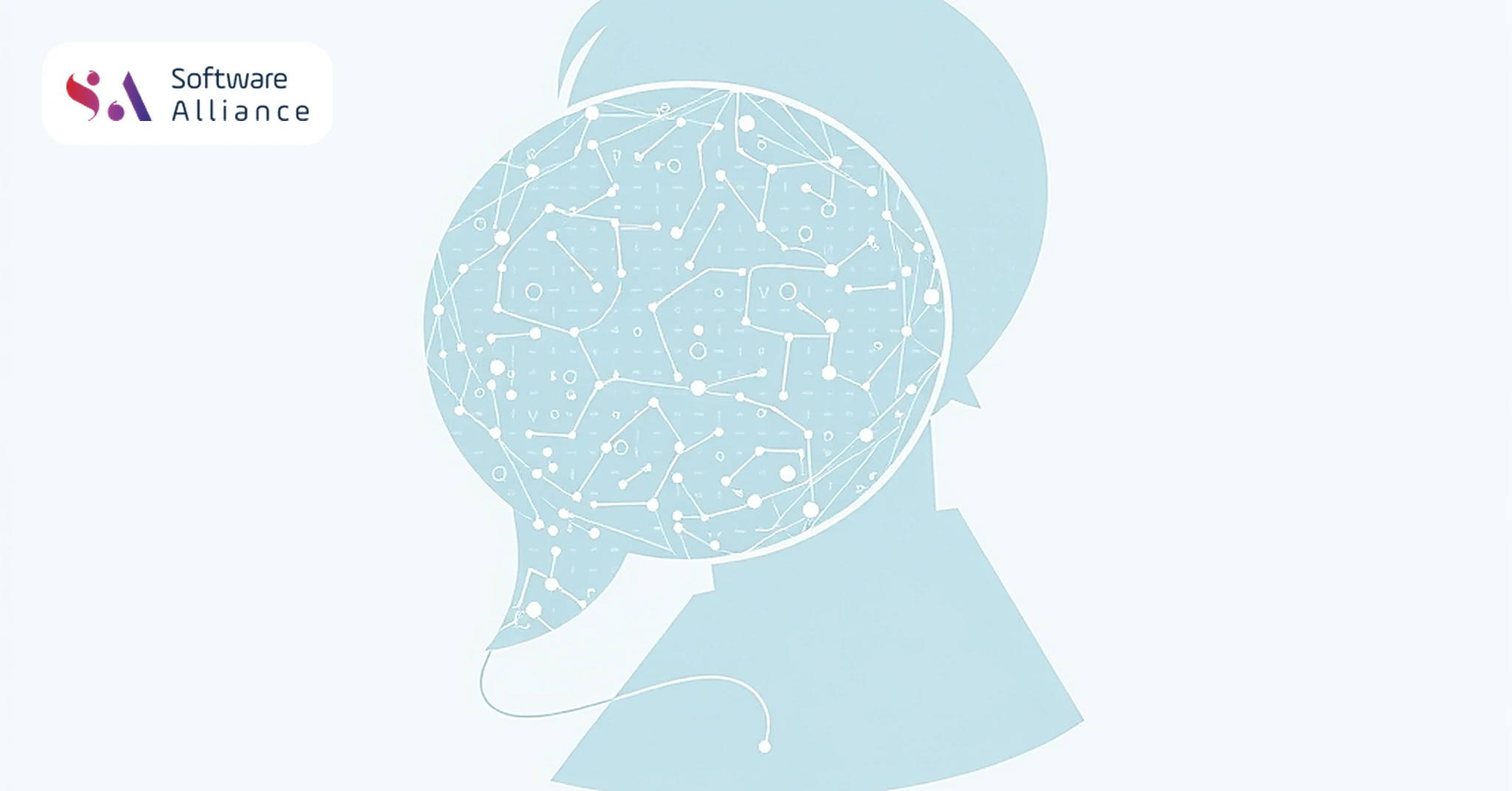
AI Chatbot Personalization
- By: Software Alliance
- Date: August 2, 2026
- Personalization increases user engagement by 20-30%
- Data analytics is key to understanding user behavior
- Machine learning algorithms can be used to tailor chatbot responses
Create personalized AI chatbots that understand user behavior and preferences. Learn how to leverage data and analytics to build tailored experiences.
Introduction to AI Chatbot Personalization
Chatbot personalization is a crucial aspect of building effective and engaging AI chatbots. By understanding user behavior and preferences, chatbots can provide tailored experiences that increase user satisfaction and loyalty. In this article, we will explore the techniques and strategies for building personalized AI chatbots. Personalization in chatbots can lead to a significant increase in user engagement, with studies showing that personalized chatbots can lead to a 25% increase in user retention and a 15% increase in conversion rates.
Understanding User Behavior
To build personalized chatbots, it's essential to understand user behavior and preferences. This can be achieved through data analytics and machine learning algorithms. By analyzing user interactions, chatbots can identify patterns and trends that inform personalized responses. For example, a chatbot can use data analytics to determine a user's preferred communication channel, such as email or messaging apps. A study by Gartner found that 85% of customer interactions will be managed without a human customer service representative by 2025, highlighting the importance of personalized chatbots.
Data Collection and Analysis
Data collection and analysis are critical components of chatbot personalization. Chatbots can collect data through various channels, including: * User interactions: such as chat logs, search queries, and click-through rates * Social media: such as social media profiles, posts, and engagement metrics * Customer feedback: such as surveys, reviews, and ratings This data can be analyzed using machine learning algorithms to identify patterns and trends. For instance, a chatbot can use natural language processing (NLP) to analyze user feedback and improve its responses. NLP can help chatbots to understand the nuances of human language, such as sarcasm, idioms, and colloquialisms.
Data Storage and Management
Data storage and management are also critical components of chatbot personalization. Chatbots can use various data storage solutions, such as: * Relational databases: such as MySQL and PostgreSQL * NoSQL databases: such as MongoDB and Cassandra * Cloud-based storage: such as Amazon S3 and Google Cloud Storage These solutions can help chatbots to store and manage large amounts of user data, and provide scalable and secure data storage.
Building Personalized Chatbot Experiences
Building personalized chatbot experiences requires a deep understanding of user behavior and preferences. Chatbots can use this understanding to provide tailored responses, recommendations, and offers. For example, a chatbot can use machine learning algorithms to recommend products based on a user's purchase history and preferences. A study by McKinsey found that personalized product recommendations can lead to a 10-15% increase in sales.
Personalization Techniques
There are several personalization techniques that chatbots can use to provide tailored experiences. These include: * User profiling: creating detailed profiles of users based on their behavior and preferences * Content recommendation: recommending content based on user interests and preferences * Offer personalization: providing personalized offers and promotions based on user behavior and preferences * Contextual personalization: providing personalized experiences based on the user's context, such as location and time of day
Personalization Strategies
Chatbots can use various personalization strategies to provide tailored experiences. These include: 1. Rule-based personalization: using predefined rules to provide personalized experiences 2. Machine learning-based personalization: using machine learning algorithms to provide personalized experiences 3. Hybrid personalization: using a combination of rule-based and machine learning-based personalization
Implementing Machine Learning Algorithms
Machine learning algorithms are essential for building personalized chatbots. These algorithms can be used to analyze user behavior and preferences, and provide tailored responses. For example, a chatbot can use a machine learning algorithm to predict user intent and provide personalized responses. Some popular machine learning algorithms for chatbot personalization include: * Decision trees: used for classification and regression tasks * Clustering algorithms: used for grouping similar users based on their behavior and preferences * Neural networks: used for complex tasks such as natural language processing and image recognition
Algorithm Selection
Selecting the right machine learning algorithm is critical for building effective personalized chatbots. The choice of algorithm depends on the specific use case and the type of data available. For example: * Decision trees are suitable for classification tasks, such as predicting user intent * Clustering algorithms are suitable for grouping similar users based on their behavior and preferences * Neural networks are suitable for complex tasks, such as natural language processing and image recognition
Model Training and Evaluation
Model training and evaluation are critical components of machine learning-based personalization. Chatbots can use various techniques to train and evaluate machine learning models, such as: * Supervised learning: using labeled data to train machine learning models * Unsupervised learning: using unlabeled data to train machine learning models * Cross-validation: using multiple datasets to evaluate machine learning models
Measuring Personalization Effectiveness
Measuring the effectiveness of personalization is crucial for building successful chatbots. This can be achieved through metrics such as user engagement, conversion rates, and customer satisfaction. For example, a chatbot can use metrics such as click-through rates and conversion rates to measure the effectiveness of personalized recommendations. A study by Forrester found that 77% of consumers have chosen, recommended, or paid more for a brand that provides a personalized service or experience.
Metrics and KPIs
Some common metrics and KPIs for measuring personalization effectiveness include: * User engagement: measured through metrics such as time on site and pages per session * Conversion rates: measured through metrics such as click-through rates and conversion rates * Customer satisfaction: measured through metrics such as customer feedback and Net Promoter Score * Return on investment (ROI): measured through metrics such as revenue and cost savings
A/B Testing and Experimentation
A/B testing and experimentation are critical components of measuring personalization effectiveness. Chatbots can use A/B testing to compare the effectiveness of different personalization strategies and algorithms. For example: * A chatbot can use A/B testing to compare the effectiveness of rule-based and machine learning-based personalization * A chatbot can use experimentation to test the effectiveness of different personalization techniques, such as user profiling and content recommendation
Advanced Personalization Techniques
Advanced personalization techniques, such as deep learning and reinforcement learning, can be used to provide more sophisticated and effective personalized experiences. For example: * Deep learning can be used to analyze user behavior and preferences, and provide personalized recommendations * Reinforcement learning can be used to optimize personalization strategies and algorithms
Deep Learning
Deep learning is a type of machine learning that uses neural networks to analyze complex data. Chatbots can use deep learning to analyze user behavior and preferences, and provide personalized recommendations. For example: * A chatbot can use deep learning to analyze user search queries and provide personalized product recommendations * A chatbot can use deep learning to analyze user feedback and improve its responses
Reinforcement Learning
Reinforcement learning is a type of machine learning that uses rewards and penalties to optimize personalization strategies and algorithms. Chatbots can use reinforcement learning to optimize personalization strategies and algorithms, and provide more effective personalized experiences. For example: * A chatbot can use reinforcement learning to optimize its personalization strategy and provide more effective personalized recommendations * A chatbot can use reinforcement learning to optimize its algorithm and provide more accurate personalized responses
Conclusion
Building personalized AI chatbots requires a deep understanding of user behavior and preferences. By leveraging data analytics and machine learning algorithms, chatbots can provide tailored experiences that increase user satisfaction and loyalty. If you're looking to build a personalized AI chatbot, Software Alliance can help you get started with our expertise in data analytics and machine learning. With our help, you can create a chatbot that provides a personalized experience for your users, and drives business success. Contact us today to learn more about how we can help you build a personalized AI chatbot.
Frequently Asked Questions
What is chatbot personalization?
Chatbot personalization refers to the process of tailoring a chatbot's responses and behavior to individual users based on their preferences, behavior, and demographics.
Pojďme probrat perfektnítechnologické řešení!
Kontaktujte nás nyní pro zahájení vašeho projektu s jistotou a přesností - váš úspěch je jen jeden krok!